We Put 5 Viral TikTok Skincare Hacks to the Test—Here's the Honest Verdict
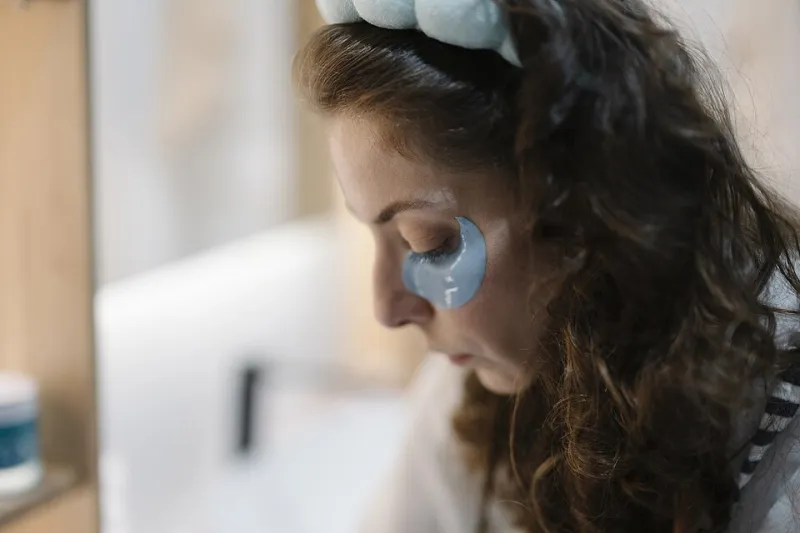
Photo: Shixart1985, CC BY 2.0, via Wikimedia Commons
TikTok has done something remarkable for skincare culture: it's democratized access to information, made ingredients like niacinamide and tranexamic acid household names, and turned millions of Americans into label-reading, routine-optimizing skin enthusiasts. That's genuinely great. But the same algorithm that surfaces helpful dermatologist explainers also rockets questionable DIY treatments to millions of views before anyone with a medical degree can weigh in.
So we did the work. We took five of the most-discussed skincare trends circulating right now and ran them through the lens of actual dermatological science. Some results were surprisingly positive. Others? You'll want to keep reading.
Hack #1: Slugging (Coating Your Face in Petroleum Jelly Overnight)
The claim: Applying a thin layer of Vaseline over your entire moisturized face before bed locks in hydration, repairs your skin barrier, and gives you the dewiest skin of your life by morning.
The science: This one has real legs. Petroleum jelly is what's called an occlusive—it doesn't add moisture to your skin, but it creates a physical seal that prevents transepidermal water loss (TEWL) while you sleep. Dermatologists have used it as a wound-healing tool for decades. A 2021 survey of board-certified dermatologists found it remains one of the most recommended barrier-repair ingredients for conditions like eczema and compromised skin.
The verdict: ✅ Mostly legit. Slugging works—with caveats. If you have oily or acne-prone skin, applying a full occlusive layer over your entire face may trap debris and sebum in a way that triggers breakouts. A smarter approach for acne-prone users: limit slugging to dry patches (around the nose, forehead, or under the eyes) rather than going full-face. For dry and sensitive skin types, this is a genuinely solid nighttime move.
Hack #2: Using Sunscreen as a Makeup Primer
The claim: Swapping your silicone primer for a chemical sunscreen gives your skin a smooth, blurred finish while also providing sun protection—two birds, one bottle.
The science: Some chemical sunscreens, particularly those with avobenzone or octinoxate in lightweight, silicone-adjacent bases, do create a smooth canvas. But here's where it gets complicated: the SPF rating on a sunscreen assumes a specific application thickness (2 mg/cm² of skin, if you want to get technical). Most people apply primer in a thin, buffed-out layer—which means you're likely getting a fraction of the labeled SPF protection.
The verdict: ⚠️ Proceed with caution. It's not a bad idea, but it shouldn't be your only sun protection strategy. If you use a sunscreen-primer hybrid, apply it generously before your makeup, then layer a powder SPF over your foundation to boost coverage throughout the day. Don't let the convenience factor trick you into thinking a thinly applied primer is doing the heavy lifting.
Hack #3: Ice Rolling for Puffiness and Pores
The claim: Rolling a frozen metal facial roller across your skin in the morning reduces puffiness, tightens pores, and gives you a sculpted, lifted appearance.
The science: The cold temperature causes temporary vasoconstriction—blood vessels narrow, which does reduce redness and puffiness in the short term. It can also feel incredibly soothing after a late night or if you're dealing with inflammatory acne. However, the "tightening pores" claim is where things get shaky. Pore size is largely determined by genetics and sebum production; cold temperatures can make them appear temporarily smaller, but there's no lasting structural change happening.
The verdict: ✅ Low risk, real (if temporary) benefits. Ice rolling is safe, affordable, and genuinely helpful for morning puffiness—especially under the eyes. Just manage your expectations. It's a nice skin prep step, not a pore-minimizing treatment. And make sure you're cleaning your roller regularly to avoid pressing bacteria against freshly cleansed skin.
Hack #4: DIY Lemon Juice Spot Treatments
The claim: Dabbing fresh lemon juice directly on dark spots or acne scars lightens hyperpigmentation naturally, thanks to vitamin C and citric acid.
The science: Lemon juice does contain ascorbic acid (vitamin C) and alpha hydroxy acids, both of which have legitimate brightening properties in controlled, formulated skincare products. But here's the problem: lemon juice has a pH of around 2, which is dramatically lower than the skin's natural pH of 4.5–5.5. Applying it undiluted can compromise your acid mantle, cause chemical burns, and—critically—trigger a reaction called phytophotodermatitis when exposed to sunlight, resulting in dark patches far worse than the ones you started with.
The verdict: 🚫 Hard pass. This is one of the most consistently flagged dangerous DIY trends by dermatologists. The vitamin C in lemon juice isn't stabilized for skin use, and the acidity is genuinely harmful. If you want vitamin C's brightening benefits, reach for a properly formulated L-ascorbic acid serum (SkinCeuticals C E Ferulic is the benchmark; Paula's Choice and TruSkin offer solid budget alternatives).
Hack #5: Double Cleansing
The claim: Washing your face twice in a row—first with an oil-based cleanser, then a water-based one—removes sunscreen, makeup, and daily grime more thoroughly than a single cleanse.
The science: This one comes with solid backing. Oil-based cleansers (cleansing balms, micellar oils) dissolve oil-soluble substances like SPF, sebum, and oil-based makeup, which water-based cleansers struggle to break down on their own. Following with a gentle water-based cleanser then removes any residue from step one and cleans water-soluble impurities. Multiple dermatologists and estheticians recommend this method, particularly for people who wear SPF daily (which should be everyone).
The verdict: ✅ Genuinely excellent practice. The caveat here is for sensitive or dry skin types: stick with gentle, non-stripping formulas for both steps. Harsh cleansers used twice in a row can damage your barrier just as effectively as skipping cleansing entirely. Look for oil cleansers like DHC Deep Cleansing Oil or Clinique Take the Day Off Balm, followed by something mild like CeraVe Hydrating Cleanser.
So What's the Takeaway?
TikTok isn't the enemy of good skincare—but it's not a dermatologist either. The hacks that tend to go viral often contain a kernel of real science, which is why they're compelling. The trouble is that context gets stripped out in a 30-second clip. Slugging and double cleansing? Genuinely useful, with the right skin type and technique. Lemon juice on your face? A real risk that no amount of "natural" framing makes safer.
When in doubt, ask yourself: has a board-certified dermatologist weighed in on this? Is the person recommending it selling something? And most importantly—does it sound too good (or too simple) to be true? Your skin is worth a little extra scrutiny.