The Skincare Ingredient Pairing Guide: What Works Together and What's Quietly Sabotaging Your Routine
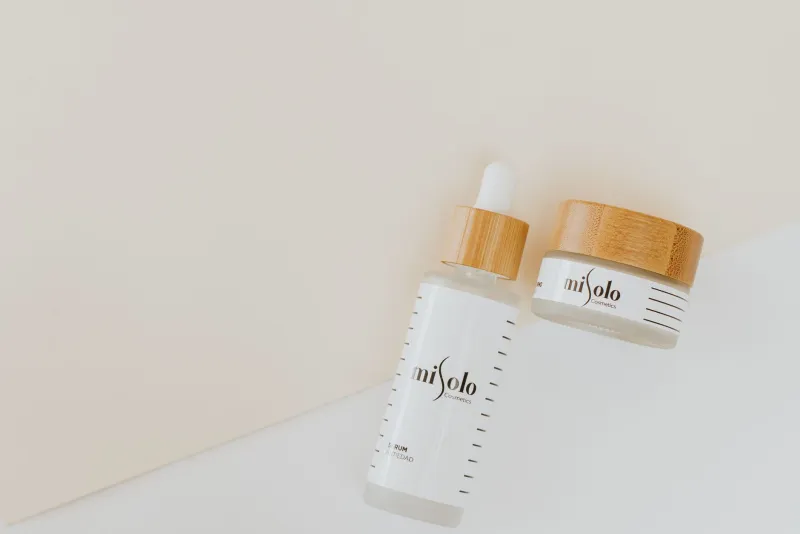
Let's say you've spent real money on your skincare routine. You've got a vitamin C serum, a retinol, an AHA exfoliant, a niacinamide product, and maybe a benzoyl peroxide spot treatment in the mix. You apply them with care. You're consistent. And yet—your skin isn't quite doing what you expected.
The problem might not be the products themselves. It might be the combination.
Skincare chemistry is real, and certain ingredients interact in ways that either cancel out their benefits, increase irritation, or straight-up break down before they can do anything useful. The good news: once you understand the basic rules, building a smarter routine is pretty straightforward.
The Pairings That Cause Problems
Retinol + Vitamin C
This is one of the most common missteps in modern skincare routines, largely because both ingredients are heavily marketed as anti-aging powerhouses—so people assume more is more.
The issue is pH. Vitamin C (in its most stable and effective form, L-ascorbic acid) works best at a low pH, typically between 2.5 and 3.5. Retinol functions optimally at a higher pH. When you layer them together, you're essentially creating conditions where one or both ingredients can't perform at their best. Additionally, using both simultaneously increases the likelihood of redness, peeling, and irritation—especially for anyone newer to actives.
The fix: Use vitamin C in the morning (it pairs beautifully with SPF and offers antioxidant protection against UV and pollution) and retinol at night. Problem solved, no products wasted.
Retinol + AHA/BHA Exfoliants
Retinol already encourages cell turnover. Layering it with an alpha hydroxy acid like glycolic or lactic acid, or a beta hydroxy acid like salicylic acid, is essentially doubling down on exfoliation—and not in a good way. The result is often a compromised skin surface, increased sensitivity, and that tight, raw feeling that signals you've pushed your skin too far.
The fix: Alternate nights. Use your AHA or BHA on nights you skip retinol, or designate specific evenings for each. Your skin will thank you.
Benzoyl Peroxide + Retinol
This combo is particularly problematic because benzoyl peroxide can oxidize retinol, essentially degrading it before it has a chance to work. You're paying for an active ingredient that's being neutralized in real time.
The fix: Keep these two on separate schedules. Benzoyl peroxide is typically most useful as a targeted treatment, so apply it only to blemish-prone areas and at a different time than your retinol application.
Niacinamide + Vitamin C (The Complicated One)
You've probably seen this debate online. The concern is that niacinamide and vitamin C can react to form nicotinic acid, which may cause flushing. The reality? This reaction requires high temperatures and extended exposure that don't really apply to normal skincare use. Most modern formulators have addressed this, and many products now combine both ingredients effectively.
That said, if you're using high-concentration, low-pH vitamin C, it's still worth separating them—not because of the flushing concern, but because niacinamide can raise the pH of your vitamin C formula and reduce its efficacy.
The fix: If you're using a potent L-ascorbic acid vitamin C, apply it first and wait a few minutes before applying niacinamide. Or use a vitamin C derivative (like ascorbyl glucoside) that's more pH-flexible.
The Pairings That Actually Work
Not all ingredient interactions are problems. Some combinations actively enhance each other.
Niacinamide + Hyaluronic Acid
A genuinely great duo. Niacinamide supports barrier function, reduces redness, and helps regulate oil production. Hyaluronic acid draws moisture into the skin. Together, they address hydration and barrier support without any competing chemistry. Layer hyaluronic acid first on damp skin, follow with niacinamide.
Retinol + Peptides
Peptides are generally well-tolerated alongside retinol and can help counteract some of the dryness and sensitivity that retinol introduces. Look for peptide-rich moisturizers to apply after your retinol step as part of your evening routine.
Vitamin C + Vitamin E + Ferulic Acid
This trio is backed by solid research. Vitamin E stabilizes vitamin C and extends its antioxidant activity. Ferulic acid further boosts stability and efficacy. Many well-formulated vitamin C serums already include all three—if yours does, you're in good shape.
AHA/BHA + Hyaluronic Acid
Exfoliants can leave skin feeling dry and sensitized. Following up with a hyaluronic acid serum helps replenish surface hydration and smooths out that tight post-exfoliation feeling. Apply the hyaluronic acid after the exfoliant has fully absorbed.
Your Quick-Reference Cheat Sheet
Save this for your next shopping trip or routine audit:
| Combination | Verdict | Notes |
|---|---|---|
| Retinol + Vitamin C | ⚠️ Separate | Use C in AM, retinol in PM |
| Retinol + AHA/BHA | ⚠️ Alternate | Don't use on the same night |
| Benzoyl Peroxide + Retinol | ❌ Avoid | BP degrades retinol |
| Niacinamide + Hyaluronic Acid | ✅ Great | Layer HA first |
| Vitamin C + E + Ferulic Acid | ✅ Excellent | Already in many serums |
| Retinol + Peptides | ✅ Works well | Use peptides after retinol |
| AHA/BHA + Hyaluronic Acid | ✅ Smart pairing | Apply HA after exfoliant |
A Note on Layering Order
Even compatible ingredients can underperform if you apply them in the wrong order. The general rule: go from thinnest to thickest consistency. Watery serums before heavier serums, serums before moisturizers, moisturizers before oils, and SPF always last in your morning routine.
Also worth noting: you don't need to use every active every day. A routine that rotates ingredients thoughtfully is often more effective—and gentler—than one that throws everything at your face simultaneously.
The Bigger Picture
A $200 routine built on conflicting ingredients is less effective than a $40 routine built with intention. Before adding anything new to your lineup, it's worth asking not just "does this ingredient do something good?" but "does it do something good with what I'm already using?"
Your routine should work as a system, not a collection of individual bets.